
Our Urban Ecotone
Ecotone Home, a New York City design firm building in the Catskills, operates out of two distinct locations - our home studio in North Branch, NY and our work studio in Gowanus Brooklyn. While the landscape and ecology of our Brooklyn studio is in striking contrast to our retreat in the Catskills, both are compelling examples of an ecotone landscape. Both feature attributes of transition where two different ecological communities meet and integrate. Working across both urban and rural transitioning environments robust and rich in biodiversity provides its own sort of intellectual ecotone, a transitional space where ideas meet, overlap, and evolve.
Although our rural home and our city home may appear fundamentally opposite, they are both bound by the shared ecological principles of transition, adaptation, and intense resource competition. In rural environments such as the Catskills with its long history of agriculture, the ecotone emerges where retired farms and fields are overgrown by shrub, transitioning into woodlands, and reverting to marshes, creating a rich patchwork of forage and shelter that local wildlife eagerly exploit. This rural margin is defined by its fluid boundaries, where the retreat of human maintenance triggers the ecological phenomenon known as the "edge effect." This boundary zone boasts a higher density of organisms and greater species diversity than either of the two overlapping ecosystems alone, generating a striking burst of biodiversity and resource density that reclaims the changing terrain.
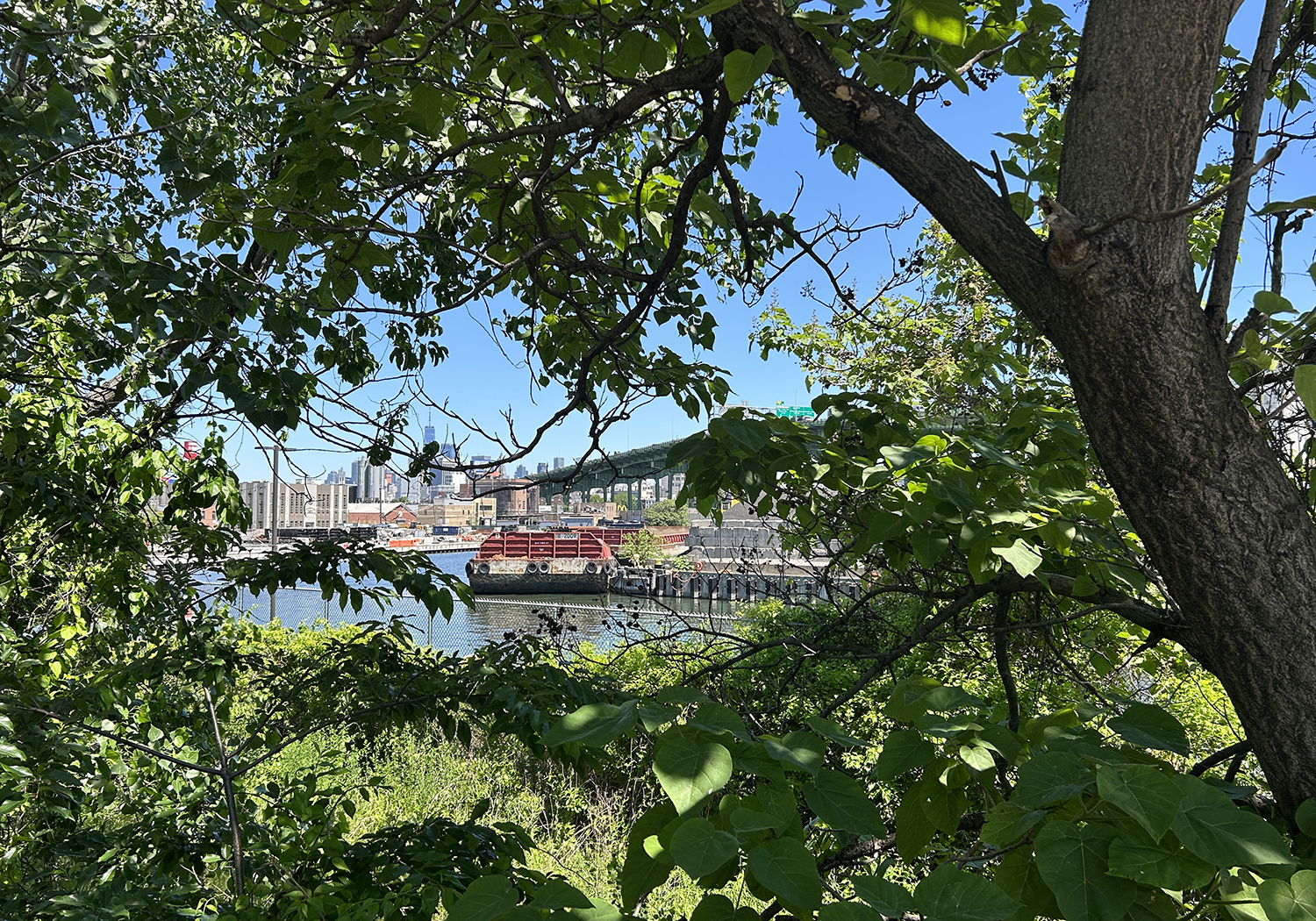
A parallel narrative unfolds within the urban fringe of Brooklyn, where the concrete hardscape gives way to neglected pockets of greenery along streets, waterways, and buildings. In these urban ecotones, the natural world proves equally opportunistic, driven by unique, intense microclimates where dense asphalt surfaces, brick building facades, and localized wind patterns significantly alter the immediate temperature and humidity. These localized micro-environments experience rapid environmental swings, acting as evolutionary catalysts for the species that inhabit them. Aggressive, highly adaptable plants and resilient urban wildlife colonize heavily graded, poor topsoil, finding ways to sustain themselves using the abundant water runoff generated by impervious city surfaces that channel rainfall directly into these fractured spaces.
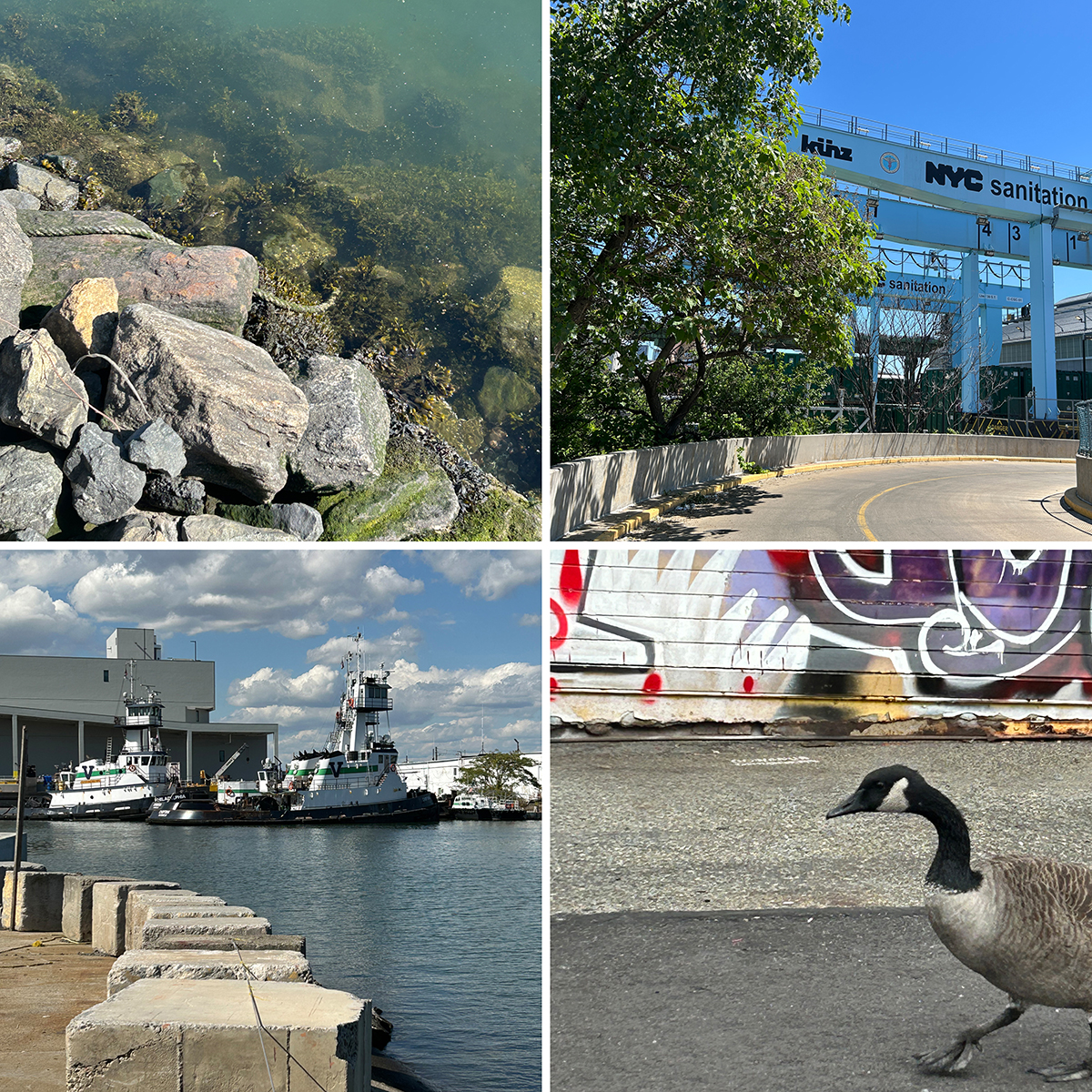
Our work studio is located at the mouth of the famed Gowanus Canal. It is a dynamic ecological transition zone where Brooklyn’s heavily industrialized urban infrastructure meets a recovering aquatic ecosystem. Historically a rich saltwater marsh and tidal estuary, the area was channelized in the 1860s and became an open industrial sewer. Today, it serves as a prominent testing ground for urban ecological remediation, climate adaptation, and green infrastructure.
Sandwiched between two scrap metal concerns we work in a cacophonous din of crushed steel and disgruntled truck drivers yet just down the block, accompanied by skittish ducks and territorial geese, we enjoy our lunch with harbor views. The tenacity of nature is vivid here and with community groups and efforts such as the Gowanus Dredgers Canoe Club and the Billion Oyster Project we know we’re not alone in recognizing this special area and its potential for ecological stewardship.
Ultimately, whether driven by the natural succession of a fading upstate farm, the spontaneous rewilding of a compromised city lot, or juncture of aquatic life and industrial logistics these landscapes exemplify the resilience of ecosystems in flux. By positioning our practice within this intellectual ecotone, we draw inspiration from the distinct mechanics of both rural and urban transition zones, recognizing that nature does not stop where development begins, but rather adapts, finding innovative ways to thrive in the edges and intersections of our shared world.

