

Birding
It’s May, our favorite month of the year in the ecotone. The grass is coming in thick and green, trees and shrubs are budding, everything seems to be waking up. With this transition comes an explosion of bird activity that’s hard to match at any other time of year.
May is when spring migration hits full throttle. Huge numbers of birds traveling north from Central and South America funnel through the eastern United States, often within a surprisingly short window. The first two weeks of the month are especially prime. On any given morning, you can encounter a mix of species - migrants pausing briefly to rest and refuel alongside local breeders that have just arrived and are beginning to establish territories.
This overlap creates one of the most exciting aspects of May birding: sheer diversity. Winter species may linger for a final stretch before disappearing until fall. Summer residents are settling in and becoming more conspicuous. At the same time, long-distance migrants -warblers, thrushes, vireos, flycatchers - move through in waves, sometimes overnight. The result is a constantly shifting cast of species, where yesterday’s quiet patch of woods can feel completely transformed by morning.
Birds also look and sound their best in May. Many species are in fresh, bright breeding plumage, showing off bold colors and crisp patterns. Males sing persistently to defend territory and attract mates, filling the early hours with layered, overlapping songs. Even typically secretive birds are more active and visible now, making this one of the most rewarding times to observe behavior as well as identify species.
While you may have enjoyed feeding the hearty and resilient Black-capped Chickadees all winter, now is when the real action begins. Migration in spring is fast and purposeful. Unlike the slower pace of fall, birds are under pressure to reach their breeding grounds quickly. They don’t linger long, which makes timing everything - and adds a sense of urgency to the experience. May in the ecotone offers something new every day and we hope you’ll get the chance to get out in it.
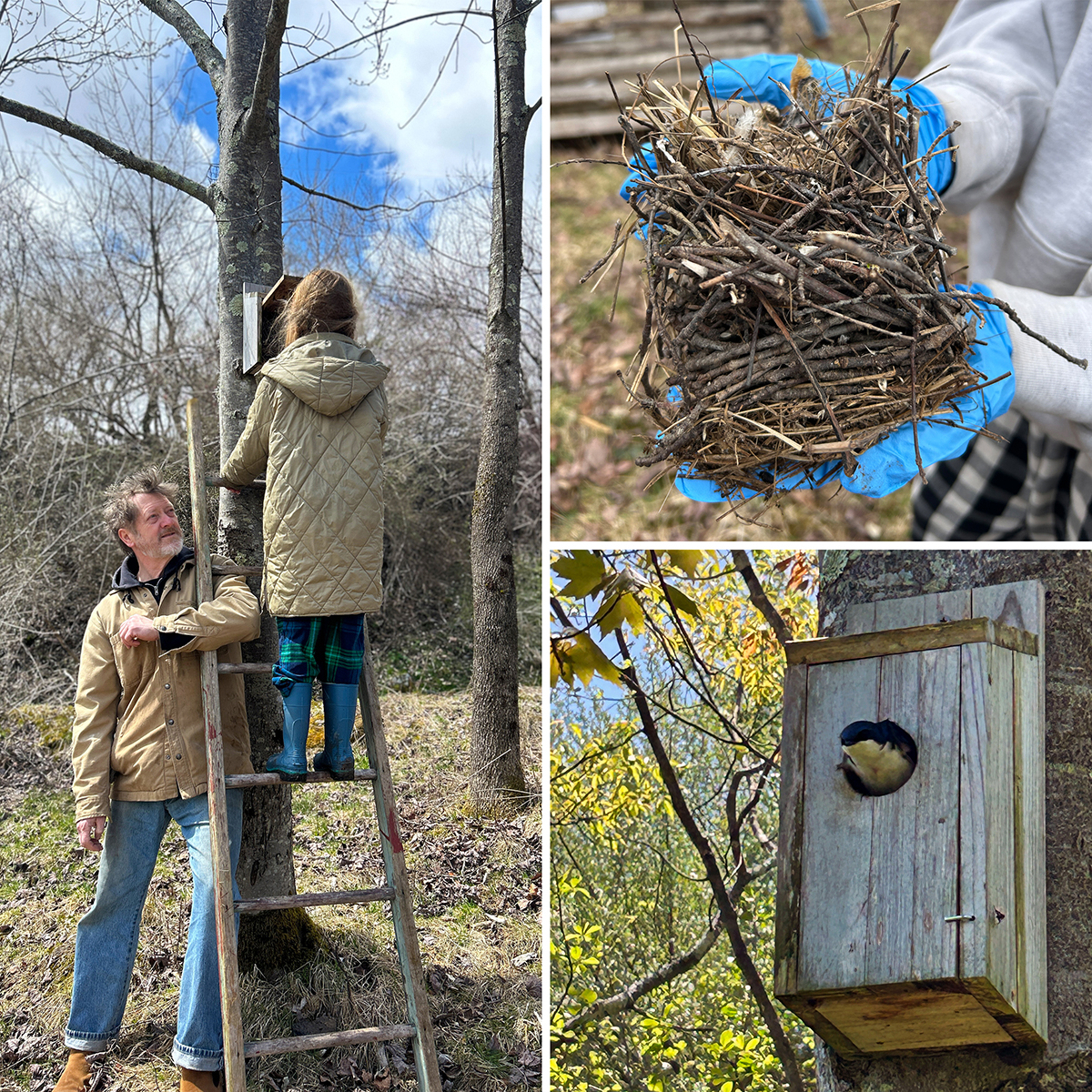
If you haven’t already, be sure to clean out your bird boxes. In May the avian real estate market is at its peak. A fresh box is prime territory for competitive breeders looking to build a safe and secure nest and a busy box will provide plenty of entertainment for a bird enthusiast.
We also wanted to take this opportunity to plug our favorite birding App - the Merlin Bird ID by the Cornell Lab of Ornithology. Merlin is a free app that offers instant and accurate bird identification via photos or sounds, making it excellent for beginners and avid birders alike.
Designed to be a birding coach for bird watchers at every level, Merlin asks you the same questions that an expert birder would ask to help solve a mystery bird sighting. It asks you to describe the color, size, and behavior of the bird you saw. You’ll notice that date and location are Merlin’s first and most important questions. It takes years of experience in the field to know what species are expected at a given location and date. Merlin shares this knowledge with you based on more than 800 million sightings submitted from birders around the world.
Merlin will also identify birds by sound. Different bird species' voices make different shapes and patterns on spectrograms. Merlin provides a visual representation of sound that you see scrolling across the top of the screen when you use Sound ID. Using machine learning technology, Merlin is trained to recognize these different shapes and patterns and identify them to species. Identifying birds you hear but don’t see lets you know what to look for. Finding a bird you have already identified through sound is very rewarding and relatively easy.
Our favorite feature is the record Merlin keeps of your sound and sight identifications. This allows you to track your favorite birds, the locations they prefer and the best time of year to find them - especially when it comes to those fleeting visits from species just passing through.
Birding is a wonderful activity for connecting with nature. It illuminates the importance of a healthy ecosystem. It provides opportunities for engagement and discovery. The ecotone is the perfect venue for all the beauty and drama that comes with birding and we hope you’ll join us there.

