Ecotone House Sustainability

Design Strategies
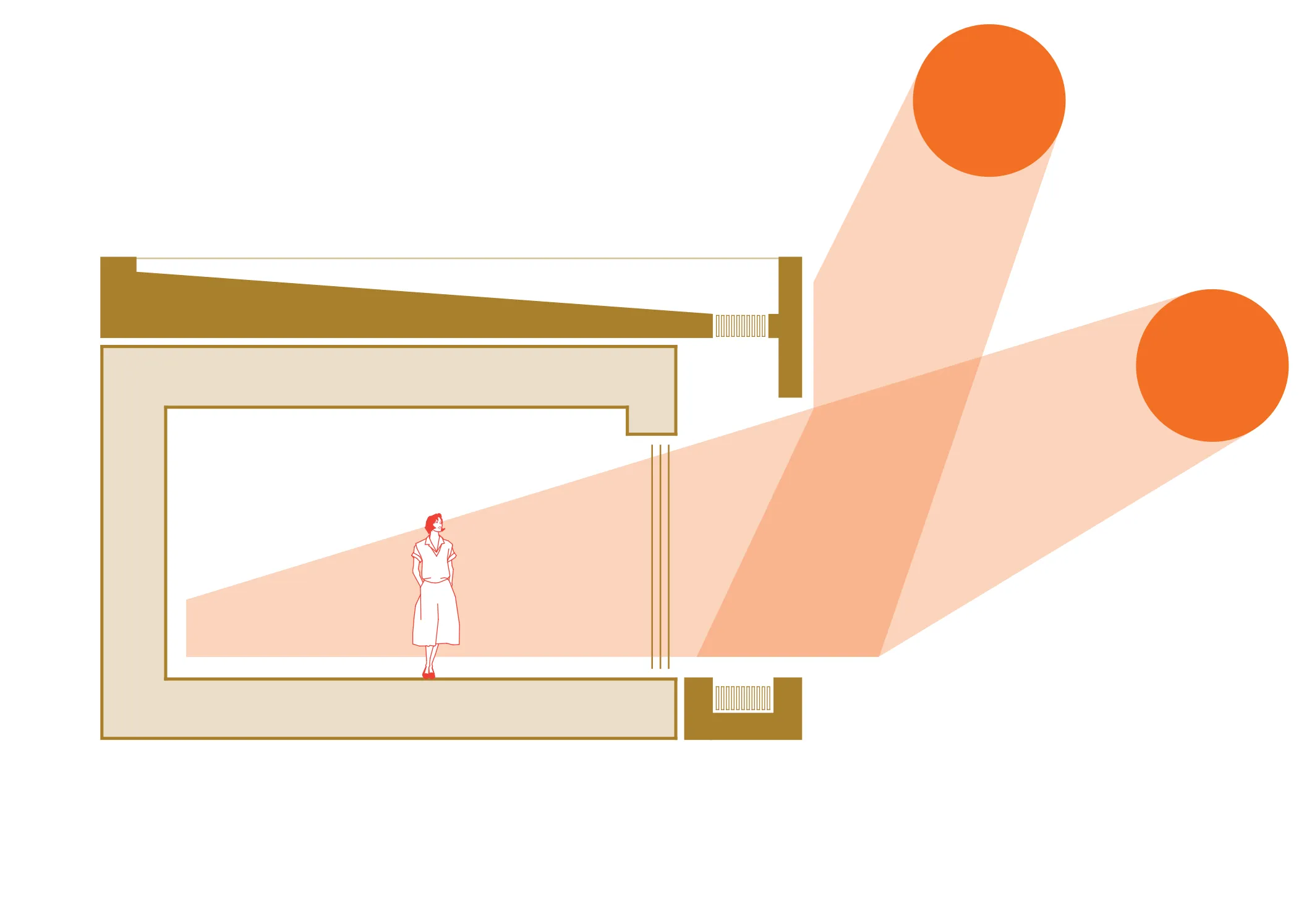
Low sun angle entering through window while high sun angle is blocked by roof overhang

Building Orientation and Window Placement

Building orientation, strategic placement of windows and shading optimizes natural light, passiveventilation and solar gains reducing the need for artificial lighting, heating and cooling.

Left arrow to previous slide
Right arrow to next slide

Benefits of Ecotone House

  • A rigorous and comprehensive approach to design
  • Superior air quality and enhanced thermal comfort
  • Significant energy savings and a reduced carbon footprint

Build Your Ecotone House

Contact us today to learn more about our services and to discuss your future in an Ecotone House. Not ready to build? Visit Ecotone Land and start exploring.

Low sun angle entering through window while high sun angle is blocked by roof overhang

Building Orientation and Window Placement

Building orientation, strategic placement of windows and shading optimizes natural light, passive ventilation and solar gains reducing the need for artificial lighting, heating and cooling.

Diagram of insulation layer wrapping walls and floor without breaks.

Continuous Insulation

An uninterrupted layer of insulation wraps the entire building envelope to minimize heat loss in winter and heat gain in summer. A continuous thermal barrier ensures consistent indoor temperatures and reduces the need for heating and cooling.

Diagram with triple-glazed window detail with insulated frame in wall section

High Performance Windows and Doors

Windows and glazed doors have the weakest thermal resistance. Ecotone House utilizes high-performance windows and doors with triple glazing, insulated frames, argon gas fills, and low-e coatings to minimize heat loss and optimize solar gain.

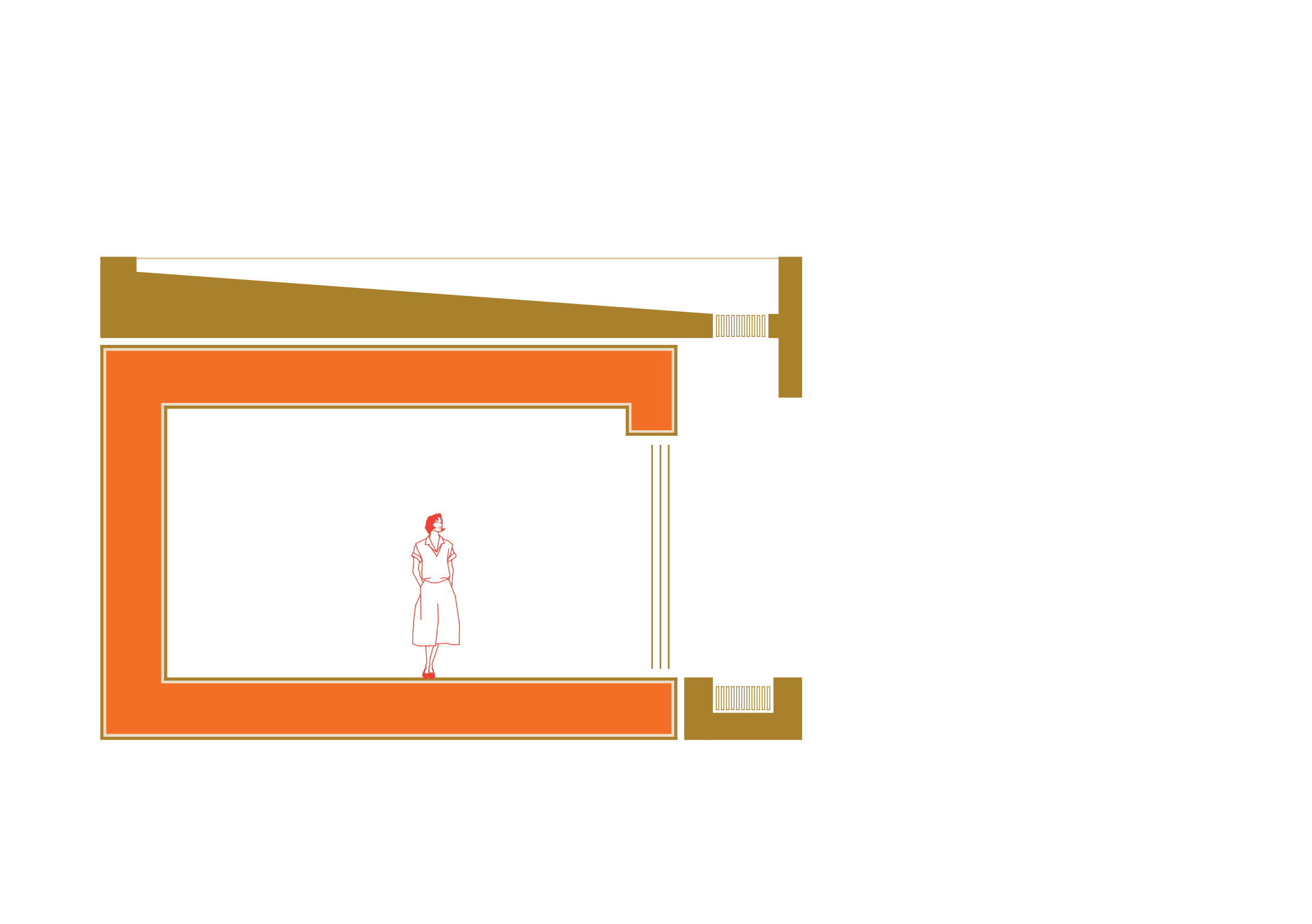
Arrows showing airflow kept in room by continuous air barrier layer lining interior walls and ceiling.

Airtight Construction

An airtight building envelope prevents uncontrolled air leakage. This is crucial for maintaining stable indoor temperatures, reducing energy waste, preventing drafts, and enhancing the effectiveness of the ventilation system.

Insulated wall corner with arrows showing cold air outside and warm air circulating inside.

Thermal bridge-free design

Thermal bridges are areas in the building envelope where heat can escape - poorly insulated corners, window frames, or structural elements that penetrate the exterior. These areas are minimized through careful detailing and construction.

Diagram of wall-mounted ventilator with arrows showing airflow into and out of the house.

Filtered fresh air with heat recovery

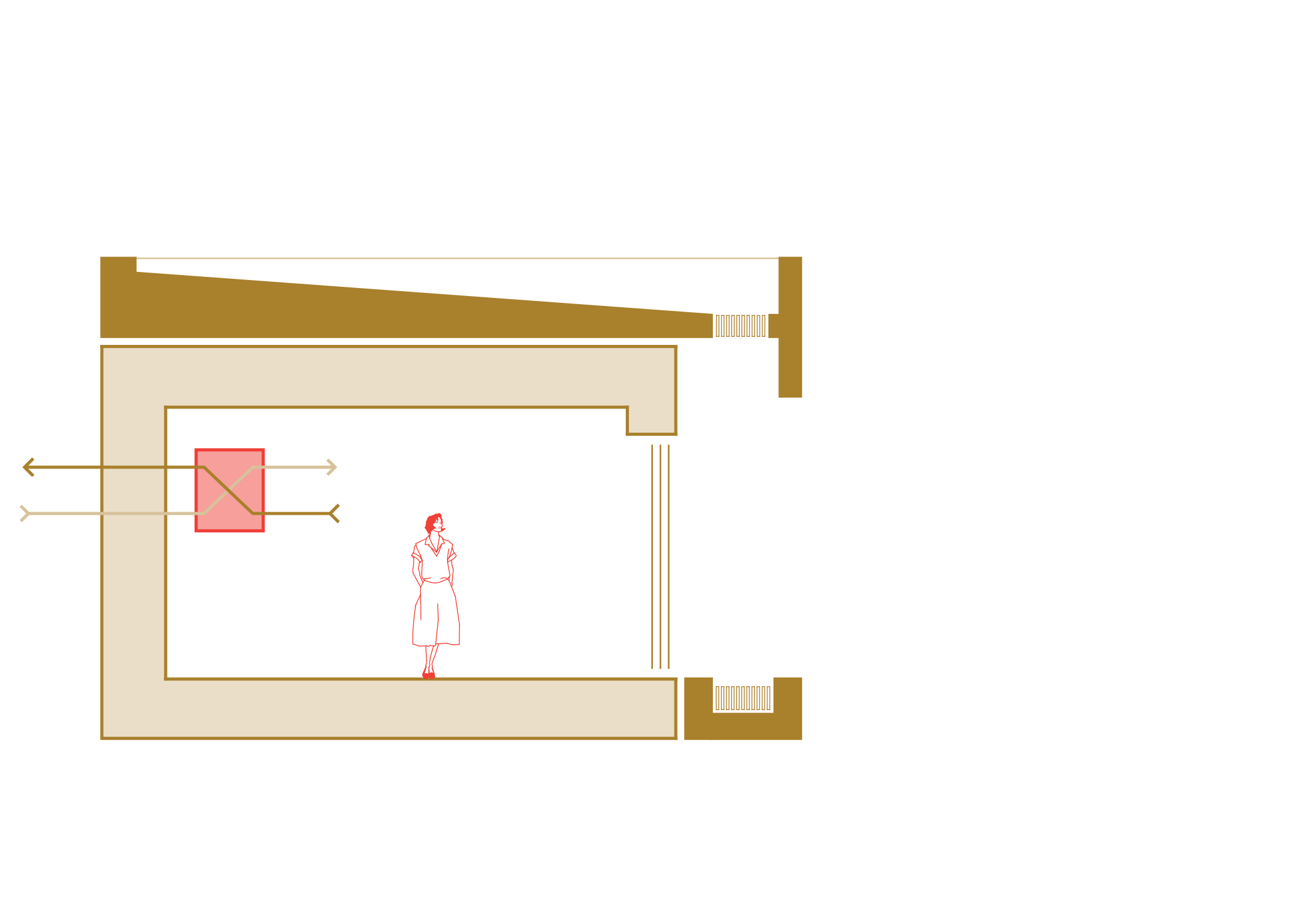
To ensure healthy indoor air quality and reduce the need for heating and cooling, a mechanical ventilator with heat recovery (HRV) continuously supplies fresh, filtered air while maintaining comfort and energy efficiency.

Sloped roof directing rainwater to downspout and collection tank

Water harvesting, heating and distribution

Rainwater harvesting controls stormwater runoff and reduces the demand on potable water supplies. Reducing hot water usage with efficient fixtures and optimizing distribution systems contributes to overall energy savings.

Sloped roof with solar panel receiving sunlight from angled sun rays

Solar Power

Solar panels significantly reduce electricity bills through self-generated, renewable energy, while increasing property values and providing energy independence. They lower carbon footprints by producing clean energy, require minimal maintenance, and can allow homeowners to sell excess power back to the grid.