Ecotone Land Sustainability

Design Strategies
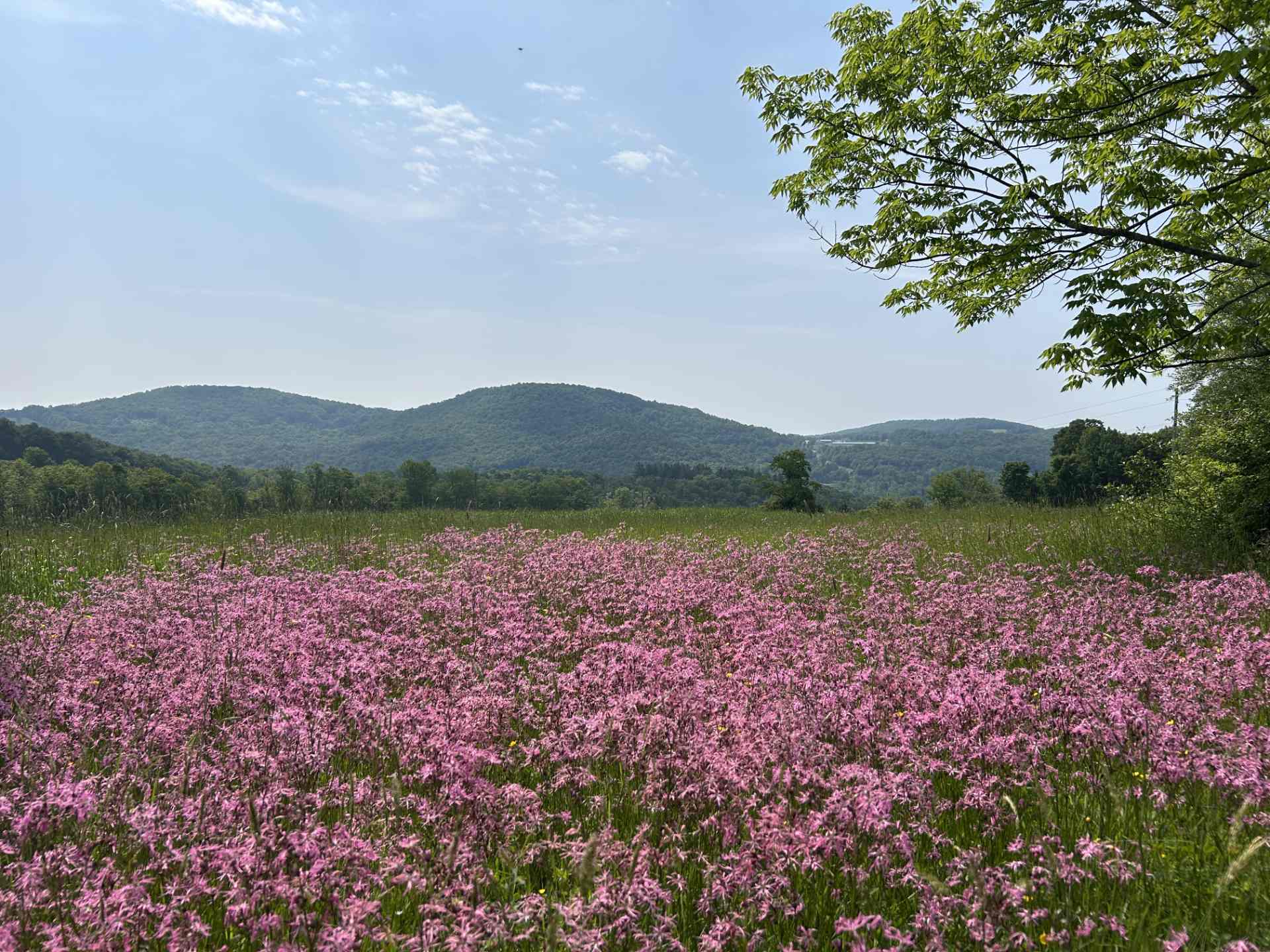
Field of pink wildflowers with green hills and a blue sky in the background.

Land Sustainability Title will appear here

Land Sustainability paragraph will appear here. The list of slides lower on the page will magically get filled in to this space.

Left arrow to previous slide
Right arrow to next slide

Benefits of Ecotone Land

  • Protecting nature and respecting local ecosystems
  • Facilitating observation, engagement, privacy and retreat
  • Making healthy habitats for your house and home

Find your Ecotone Land

Contact us today to learn more about our services and to discuss your future on Ecotone Land. Ready to build? Visit Ecotone House to get started.
Site Analysis

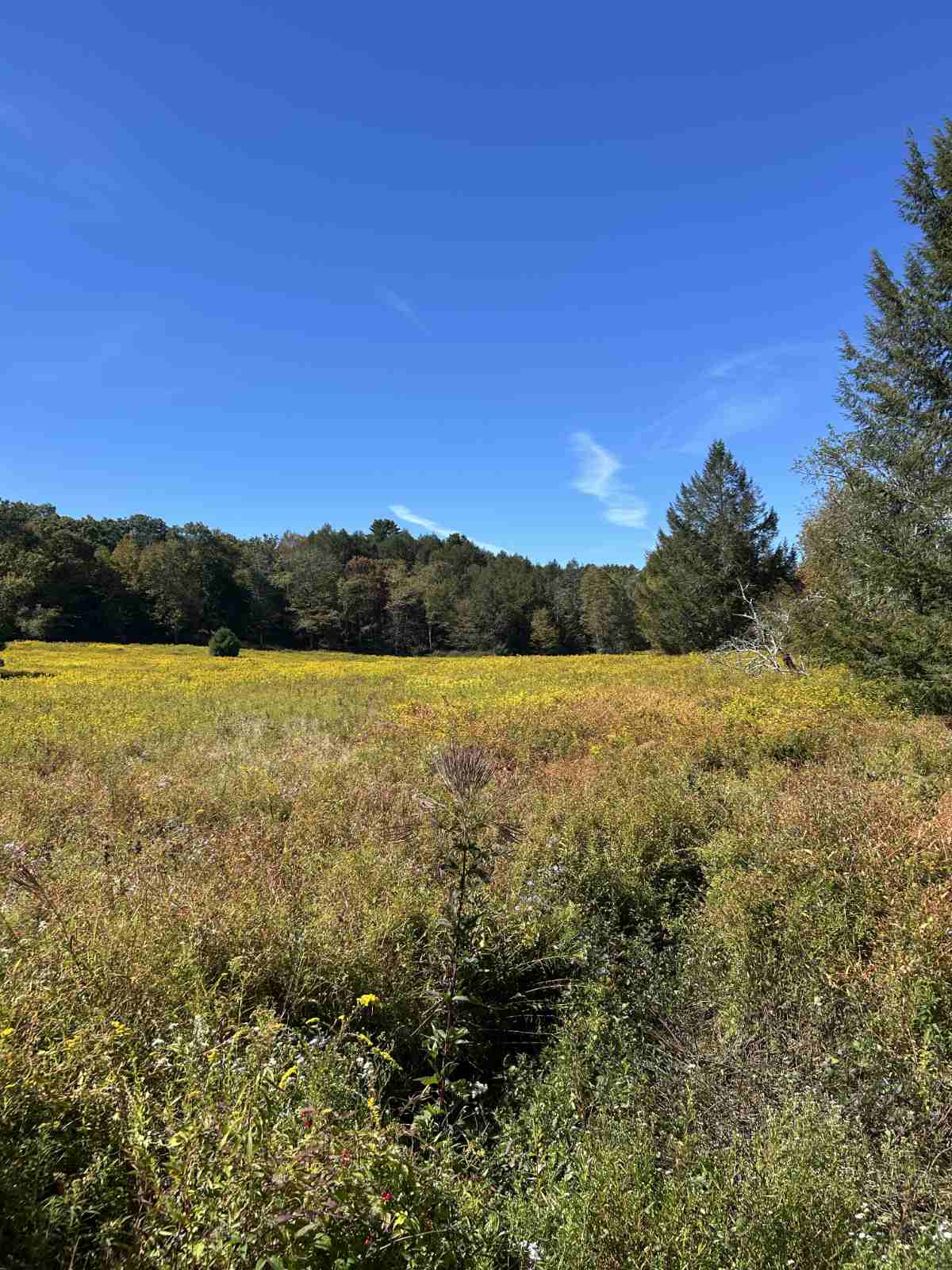
A thorough site analysis is the indispensable foundation of sustainable landscape design. With methodical evaluation of topography and drainage, climate and microclimates, soil conditions, vegetation and wildlife, Ecotone Land can create functional, resilient, beautiful spaces that work with the natural surroundings rather than against them.

Limited Site Disturbance

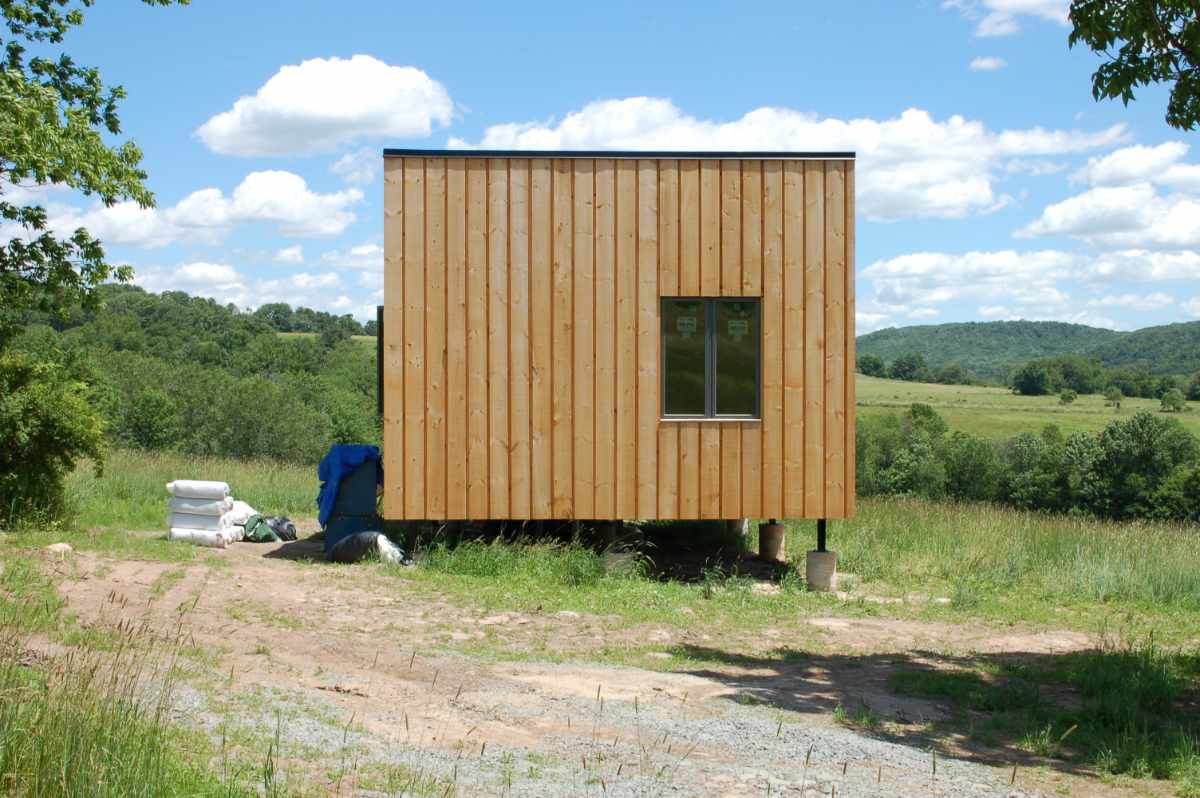
Ecotone Land minimizes site disturbance by maintaining the existing natural topography as much as possible. We avoid clear cutting and excessive grading which can negatively impact waterways, vegetation, and soil structure.

Promote Native Plants

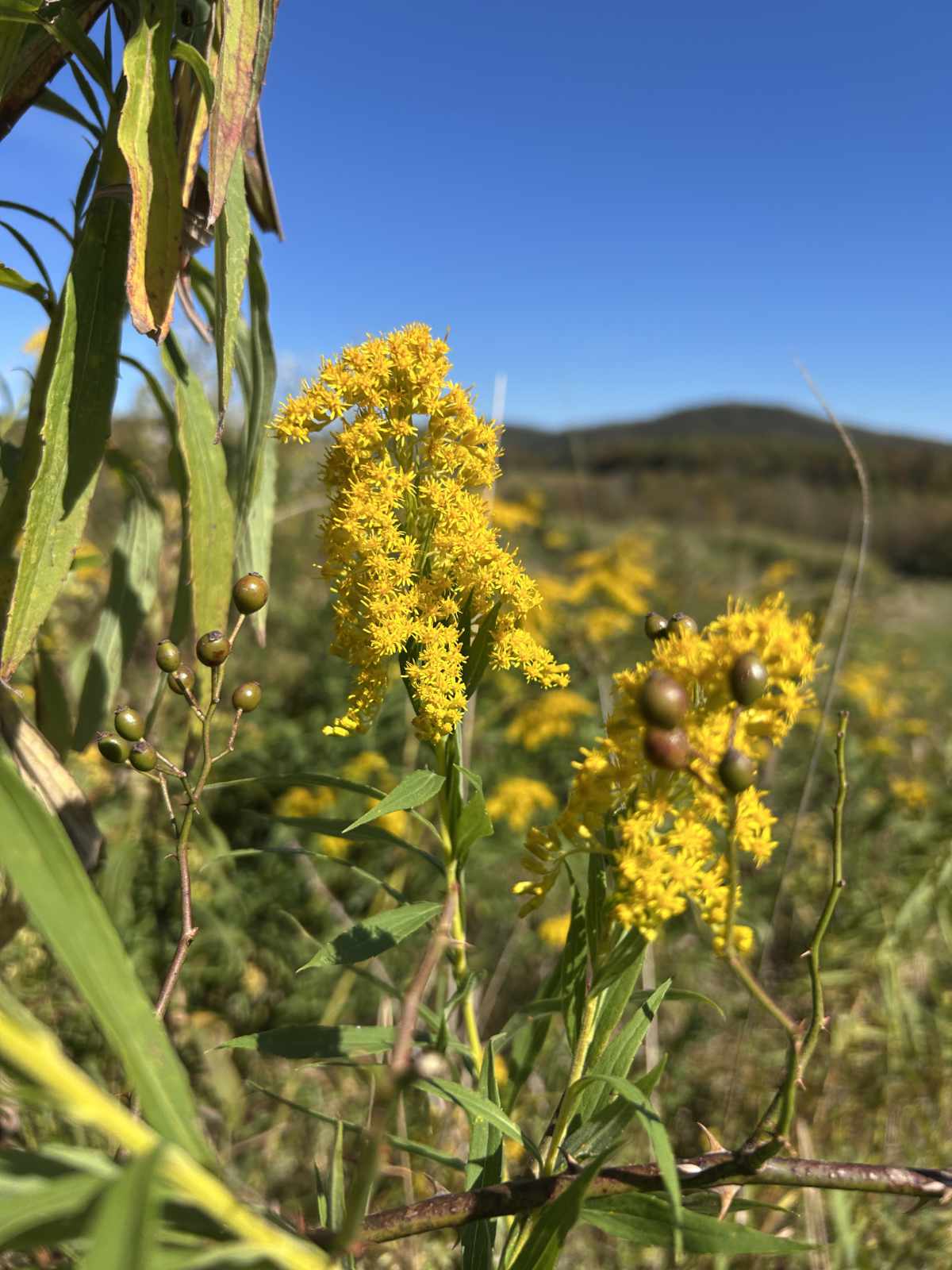
Native plants are species that have naturally evolved and exist within a specific region or ecosystem. They are crucial for biodiversity offering, essential food, nectar, and shelter for local pollinators, birds, and wildlife. These plants are low-maintenance, drought-resistant, and eco-friendly. Ecotone Land makes every effort to support and propagate native species while suppressing plants that are aggressively invasive.

Support Wildlife Habitats

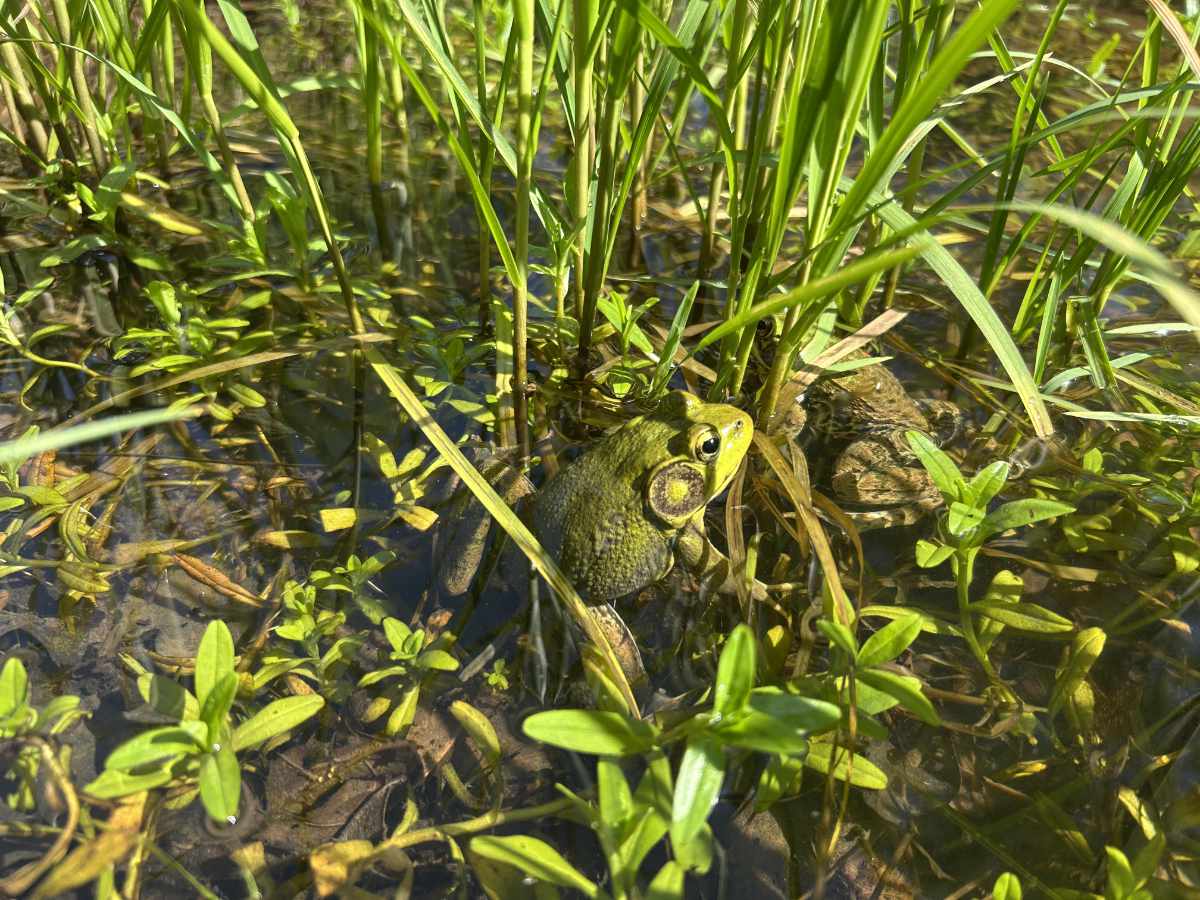
Ecotone Land seeks to create natural spaces that support wildlife by offering food, shelter, and places to breed. We use native plants, conserve water, avoid site disturbance and the use of harmful chemicals to keep wildlife habitats healthy and full of activity.

Natural Hydrology

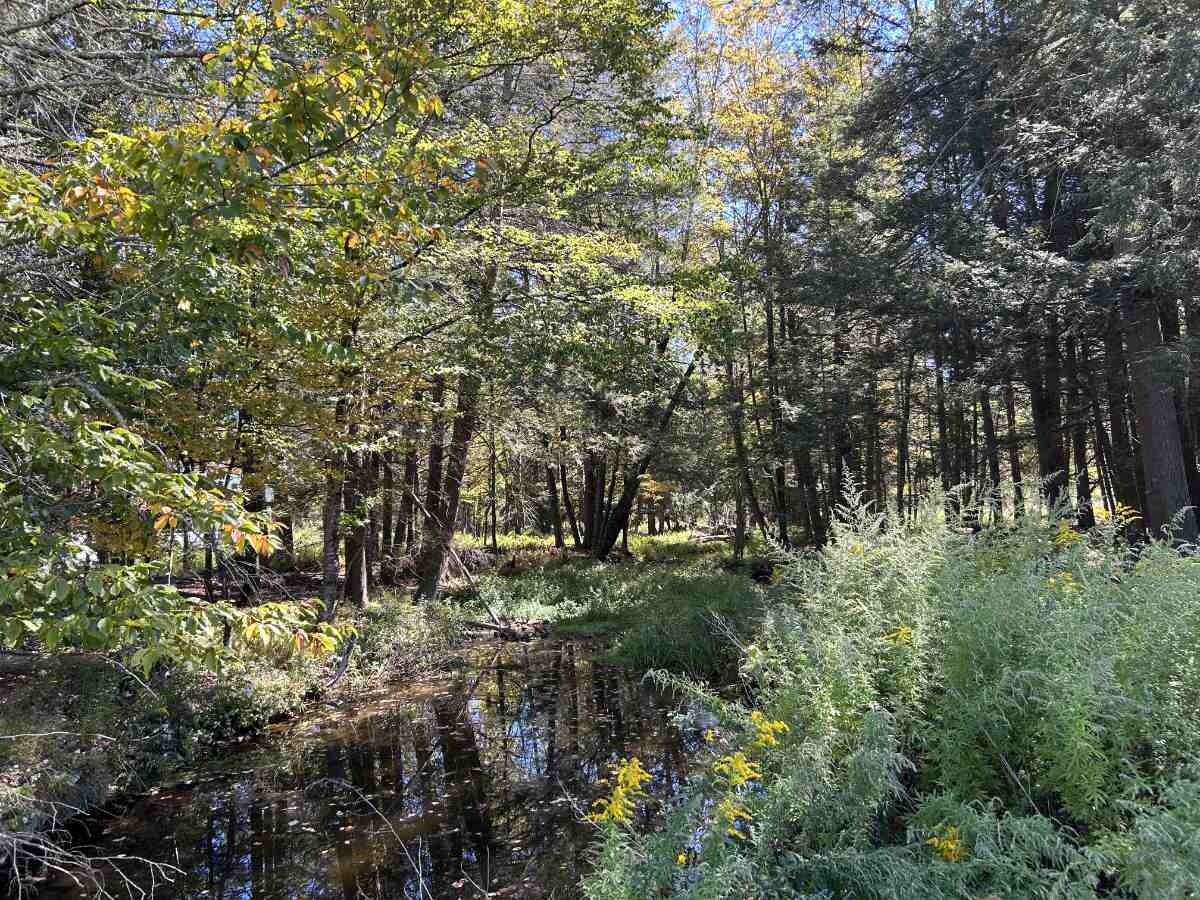
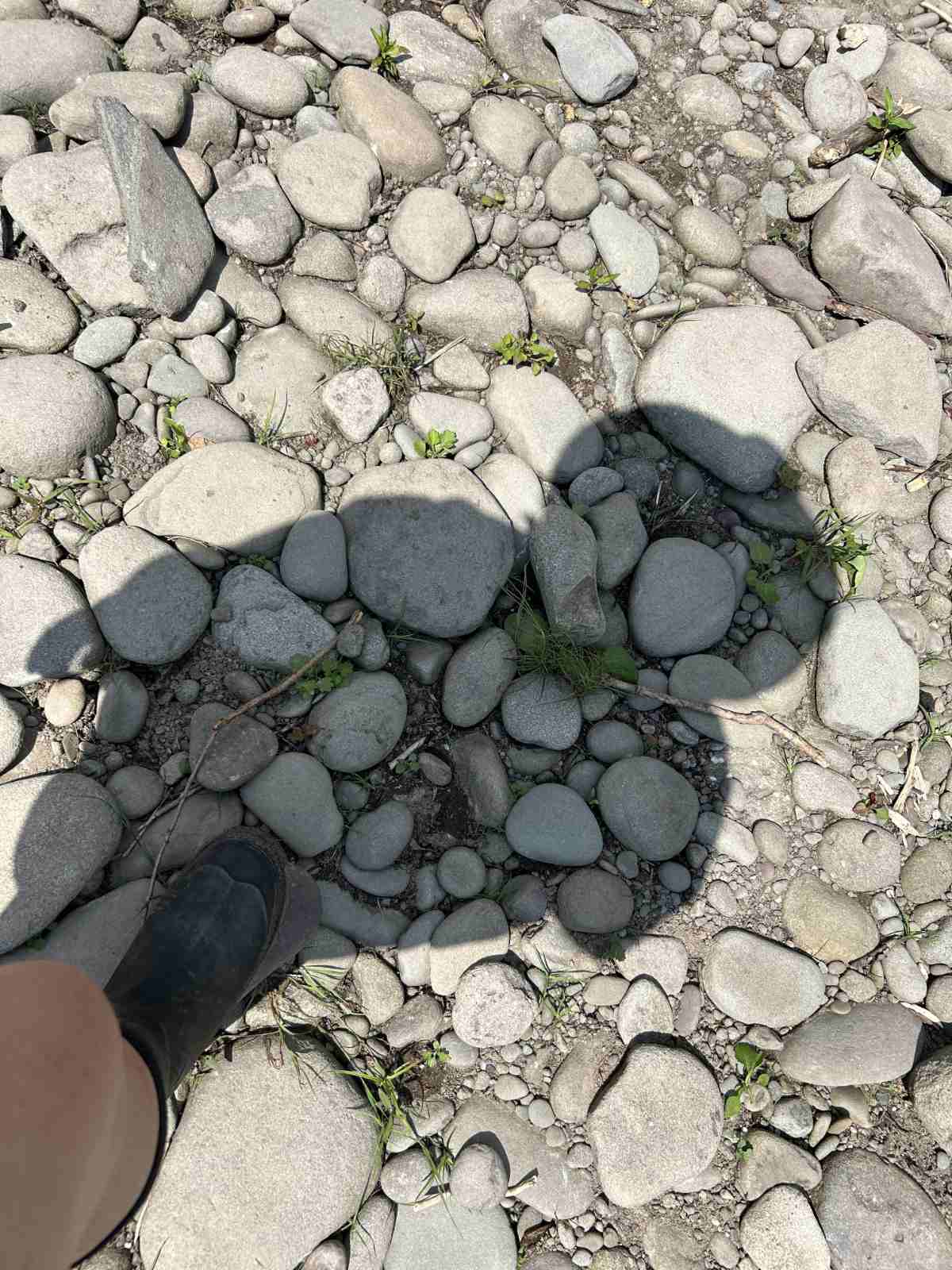
Hydrology is the study of the movement, distribution, and management of water. Ecotone Land carefully identifies important natural water features such as streams and drainage ways, floodplains and wetlands. We implement a design that protects and utilizes these natural watercourses.

Construction Techniques

Ecotone Land focuses on construction methods that minimize environmental disruption. This includes using hand tools instead of heavy machinery, preserving existing trees and root systems, and implementing natural erosion control measures to protect the soil.

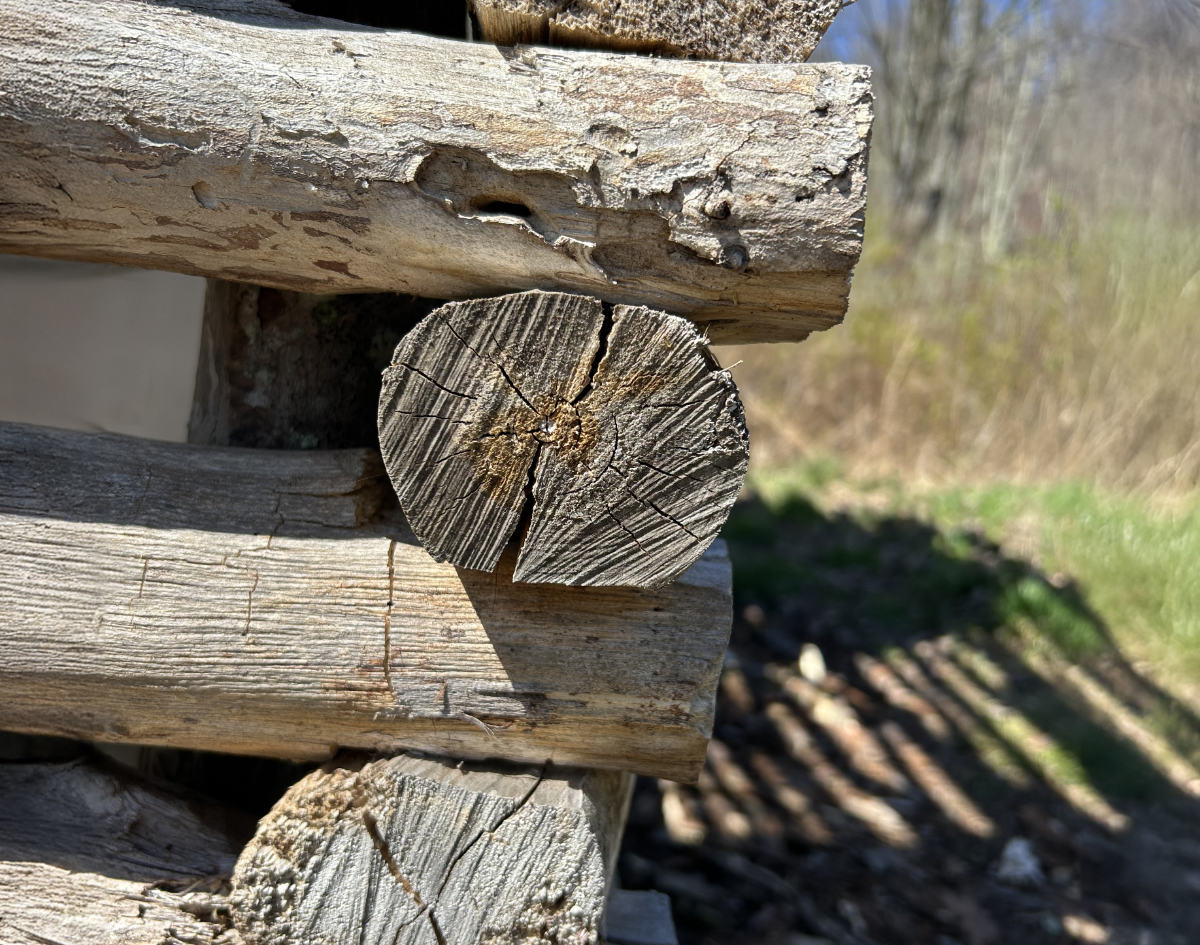
Close-up of a log cabin corner with stacked, weathered logs and cracked end grain.

Low Impact Materials

Ecotone Land uses low impact materials that are non-toxic, permeable, and biodegradable. We utilize existing stone ledges, reuse deadfall and mulch debris to create intentional landscape design that is absorbed into the natural environment.

Minimize Impervious Surfaces

Ecotone Land avoids the use of impervious surfaces such as asphalt and concrete. These materials prevent water absorption into the earth leading to increased runoff which can cause flooding, erosion, and pollution in nearby waterways.